

Types Of Cooker Hood
FollowOverview
-
Founded Date March 18, 2013
-
Posted Jobs 0
-
Viewed 4
Company Description
See What Extractor Hood Tricks The Celebs Are Making Use Of
The Comprehensive Guide to Extractor Hoods: Essential Kitchen Appliances for Cleaner Air
In modern kitchens, extractor hoods have become an indispensable appliance for keeping tidiness and convenience. Extractor hoods, likewise understood as range hoods or vent hoods, play a crucial role in removing airborne grease, smoke, and smells created during cooking. This guide will supply a detailed take a look at the various kinds of extractor hoods available, their functions, maintenance tips, and answers to frequently asked concerns.
What is an Extractor Hood?
An extractor hood is a gadget installed above cooking surface areas designed to record and eliminate smoke, odors, and air-borne particles. A lot of extractor hoods come geared up with fans that help circulate and filter kitchen air, ensuring a fresher atmosphere. The 2 main types of extractor hoods are ducted and ductless.
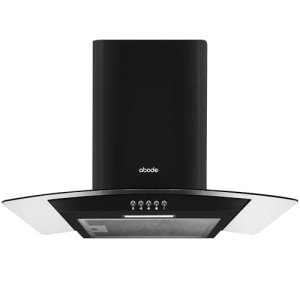
Kinds Of Extractor Hoods
| Type | Description | Pros | Cons |
|---|---|---|---|
| Ducted | Relocations air to the outside through ducts. | Efficient air elimination, gets rid of moisture and smell. | Requires vent installation, can be pricey. |
| Ductless | Filters air using charcoal filters and recirculates it back into the kitchen. | Easy to set up, no ducts needed. | Less reliable at eliminating humidity and smells. |
Secret Functions of Extractor Hoods
Extractor hoods serve several essential functions in the kitchen environment:
-
Air Quality Improvement: By getting rid of smoke and grease, extractor hoods help keep better air quality, thereby minimizing health risks related to prolonged direct exposure to pollutants.
-
Odor Control: Cooking generates strong smells that can remain in kitchens. An efficient extractor hood helps handle and significantly lower these odors.
-
Temperature Regulation: Extractor hoods assist in keeping a comfortable cooking temperature by minimizing heat accumulation triggered by stove use.
-
Wetness Control: Cooking releases steam that can result in moisture buildup. Extractor hoods assist alleviate this issue, preventing potential mold development.
Features to Consider When Choosing an Extractor Hood
When choosing an extractor hood for your kitchen, there are several features to consider:
-
Size: The hood should be at least as wide as the cooking surface to ensure optimal efficiency.
-
Design: Various styles consist of under-cabinet, wall-mounted, island, and downdraft hoods. Choose a design that fits your kitchen layout.
-
CFM Rating (Cubic Feet per Minute): This measures the fan’s air flow capability. A greater CFM ranking generally implies better performance however might likewise imply more noise.
-
Noise Level: Measured in sones, consider the noise level of the hood when running on various settings.
-
Purification System: Choose between aluminum, charcoal, or stainless steel filters based upon upkeep preferences and efficiency.
-
Lighting: Some models come with integrated lighting that helps illuminate the cooking location.
Maintenance Tips for Extractor Hoods
Keeping your extractor hood in optimal condition requires regular maintenance. Here are some vital maintenance suggestions:
-
Regular Filter Cleaning: Depending on usage, grease filters need to be cleaned every few weeks. Charcoal filters need to be changed according to the producer’s instructions.
-
Surface Wipe-down: The exterior of the hood ought to be wiped down regularly to get rid of grease accumulation, particularly in stainless-steel designs.
-
Inspect Ventilation: If your hood is ducted, guarantee that vents are clear of obstructions to maintain airflow performance.
-
Check Fan Functionality: Ensure the fan runs smoothly and quietly. If it begins making unusual noises, it may require maintenance.
-
Expert Cleaning: For more considerable upkeep, consider employing a professional service to clean the internal parts and ducts every year.
Frequently Asked Questions About Extractor Hoods
1. How do I identify the perfect CFM rating for my kitchen?
- A basic rule of thumb is to have a CFM ranking of 100 for each direct foot of cooking surface. For instance, if you have a 30-inch range, a minimum of 300 CFM is recommended.
2. Can I set up a ductless extractor hood if my kitchen lacks ductwork?
- Yes, ductless extractors can be easily set up without the need for ducting. They are equipped with filters that recycle the air, making them ideal for houses and kitchens without outdoors gain access to.
3. How often should I replace charcoal filters?
- Usually, charcoal filters must be changed every 6 months, however if you cook often, think about changing them more frequently.
4. Are there energy-efficient designs readily available?
- Yes, lots of modern extractor hoods come equipped with energy-efficient motors and LED lighting to assist lower energy intake.
5. Do I need an expert for installation?
- While numerous ductless models are DIY-friendly, ducted extractor hoods might require professional setup to guarantee proper venting and electrical connections.
Extractor hoods are important additions to modern kitchens, providing a range of gain from improved air quality to enhanced cooking convenience. By comprehending the different types, functions, and maintenance needs of these devices, property owners can make educated options that match their cooking practices and kitchen styles. Investing in a good-quality extractor hood not just enhances the cooking experience however also contributes to a much healthier home environment. For anybody considering a kitchen upgrade, incorporating an extractor hood into the design need to be a top priority.