

Budget-Kompressor Kaufen
FollowOverview
-
Founded Date February 11, 1933
-
Posted Jobs 0
-
Viewed 12
Company Description
Why All The Fuss About Compressor Purchase?
Understanding the Fundamentals of Compressor Purchase
When it comes to industrial applications, compressors play a critical function in boosting efficiency and effectiveness. Whether used in production, HVAC systems, or refrigeration, the choice of the best compressor can substantially affect operational costs and performance. In this post, we will explore essential factors to consider for acquiring a compressor, typical types offered, crucial functions to search for, Kompressor Online Kaufen and some often asked concerns.
Table of Contents
- Introduction to Compressors
- Types of Compressors
- Key Considerations for Purchase
- Common Features to Evaluate
- Lists of Recommended Brands
- Frequently Asked Questions (FAQs)
- Conclusion
1. Intro to Compressors
Compressors are mechanical gadgets that increase the pressure of a gas by lowering its volume. They are important in numerous applications, ranging from powering pneumatic tools to providing cooling and refrigeration. Choosing the ideal compressor requires an understanding of the application requirements and the compressor’s abilities.
2. Types of Compressors
Selecting the best type of compressor is important in making sure performance and suitability for the designated job. Below prevail types of compressors:
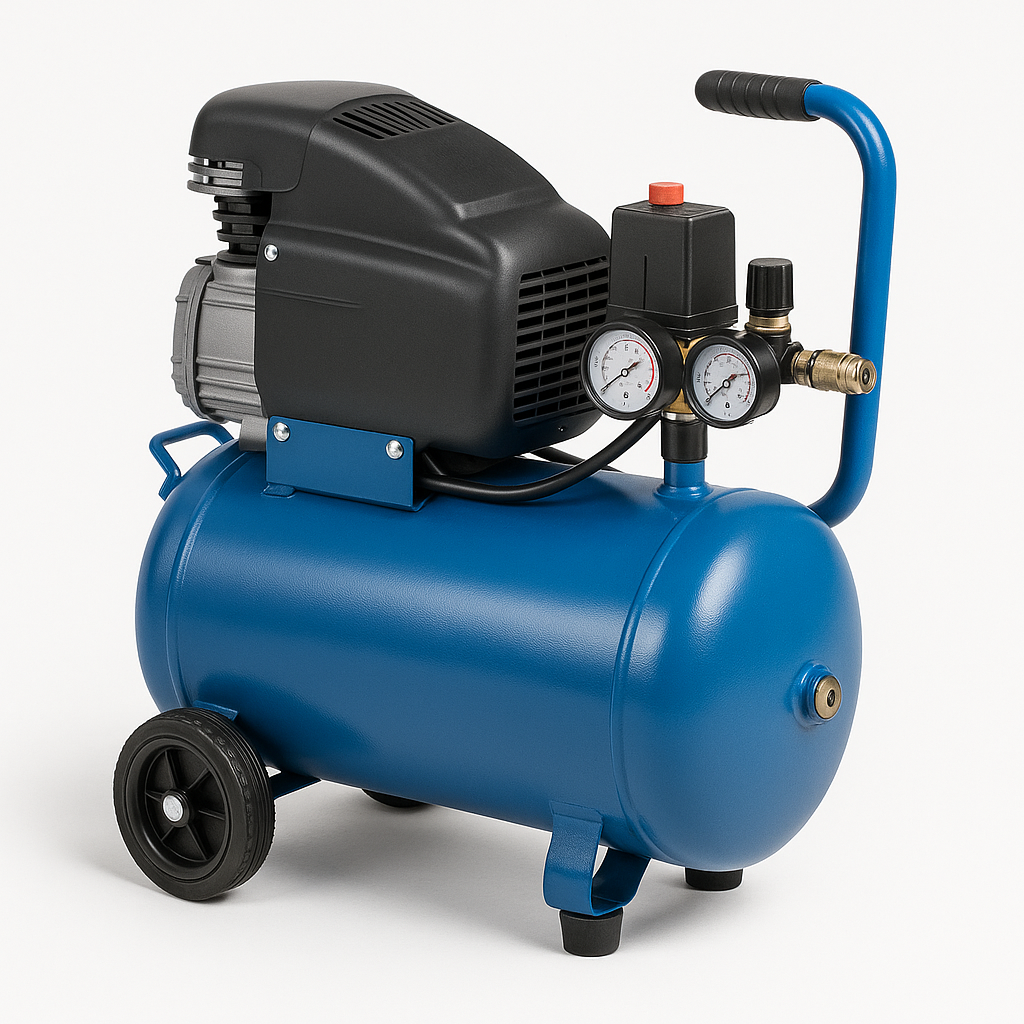
| Type | Description | Ideal Use Cases |
|---|---|---|
| Reciprocating | Uses pistons driven by a crankshaft to compress air. | Heavy-duty applications, high pressure needs. |
| Rotary Screw | Makes use of 2 interlocking helical screws to compress air. | Continuous operations, moderate pressures. |
| Scroll | Employs 2 spiral aspects to compress refrigerant. | HVAC systems, light commercial applications. |
| Centrifugal | Utilizes turning impellers to compress gas through dynamic pressure changes. | Large scale operations like gas transmission. |
Benefits and Disadvantages of Each Type
| Type | Benefits | Disadvantages |
|---|---|---|
| Reciprocating | High pressure abilities, versatile | Noisy, requires regular maintenance |
| Rotary Screw | Constant operation, lower maintenance | Greater preliminary cost, larger footprint |
| Scroll | Peaceful operation, compact design | Restricted to lower power situations |
| Centrifugal | Efficient for high volume applications | Not suited for small scale operations, costly |
3. Key Considerations for Purchase
When buying a compressor, several aspects must be weighed to ensure a sound investment:
A. Application Requirements
- Pressure and Flow Rates: Assess the necessary pressure and airflow for specific operations.
- Usage Duration: Determine whether the compressor will run continually or intermittently.
B. Power Source
- Electric vs. Diesel: Choose based upon availability of power sources, expense of electrical energy, and needed movement.
C. Size and Capacity
- Space Constraints: Ensure you have adequate space for installation and maintenance access.
- Portability: For on-site work, consider a portable compressor design.
D. Efficiency Ratings
- Energy Consumption: Look for energy-efficient models to reduce long-lasting functional expenses.
- Environmentally friendly Options: Explore compressors that satisfy ecological policies.
E. Brand Reputation and Warranty
- Maker Reliability: Research brand track record, client service, and guarantees provided.
4. Typical Features to Evaluate
Before settling a compressor purchase, think about the following features that can enhance functionality and ease of usage:
A. Maintenance Indicators
- Integrated functions that remind users of routine maintenance can assist extend the equipment’s lifespan.
B. Noise Levels
- Operating sound levels can impact workplace comfort. Search for quieter designs if noise is a concern.
C. Control Systems
- Advanced controls, consisting of variable speed drives and digital programs, can enhance efficiency.
D. Safety Features
- Assess the existence of features such as automatic shut-off valves to ensure safe operation.
E. Accessibility
- Ensure that filters, oil drains, and elements are quickly accessible for maintenance.
5. Lists of Recommended Brands
When looking for quality compressors, think about these trusted brands known for their dependability and efficiency:
| Brand | Kind of Compressors | Special Features |
|---|---|---|
| Ingersoll Rand | Rotary Screw, Reciprocating | High performance, robust build |
| Atlas Copco | Rotary Screw, Scroll | Ingenious control systems |
| Sullair | Rotary Screw, Diesel | Competitive prices, rugged equipment |
| Boge | Reciprocating, Scroll | Compact style, low energy intake |
| Quincy | Reciprocating, Rotary Screw | Heavy-duty applications, versatile |
6. Frequently Asked Questions (FAQs)
Q1: What is the perfect compressor size for my application?A1: The size depends on the specific demands of your operations. Determine the needed PSI and CFM based on the tools or equipment you intend to utilize. Q2: Is it worth purchasing a high-efficiency compressor?A2: Yes, high-efficiency compressors might have a greater upfront cost however can causesignificant savings on energy bills gradually. Q3: How frequently does a compressor require maintenance?A3: Regular maintenance needs to be carried out every 500-1000 hours of operation, depending upon the maker’s suggestions. Q4: Can I install a compressor myself?A4: If youhave experience with electrical and plumbing work, DIY installation is possible. Nevertheless, expert installation is suggested for complex
units. Q5: What ought to I do if my compressor is overheating?A5: Checkfor air leaks, guarantee appropriate lubrication, and tidy filters. If the issue persists, speak with a specialist. 7. Conclusion Purchasing a compressor is a significant investment for
any service or operation. By comprehending the different types, vitalfunctions, and mindful considerations required, one can make an informed decision that guarantees optimal performance and efficiency.