

Hobelmaschinen Online Kaufen
FollowOverview
-
Founded Date June 7, 2019
-
Posted Jobs 0
-
Viewed 14
Company Description
25 Unexpected Facts About Manual Planing Machines
Manual Planing Machines: An In-Depth Exploration
In the world of woodworking and carpentry, the pursuit of precision and quality craftsmanship has actually resulted in the advancement of various tools and machines. Amongst these, manual planing machines hold a special place. These machines, while seemingly easy, play a crucial role in shaping and finishing wood surfaces. This blog site post intends to provide a detailed summary of manual planing machines, including their types, applications, benefits, upkeep, and frequently asked questions.
What is a Manual Planing Machine?
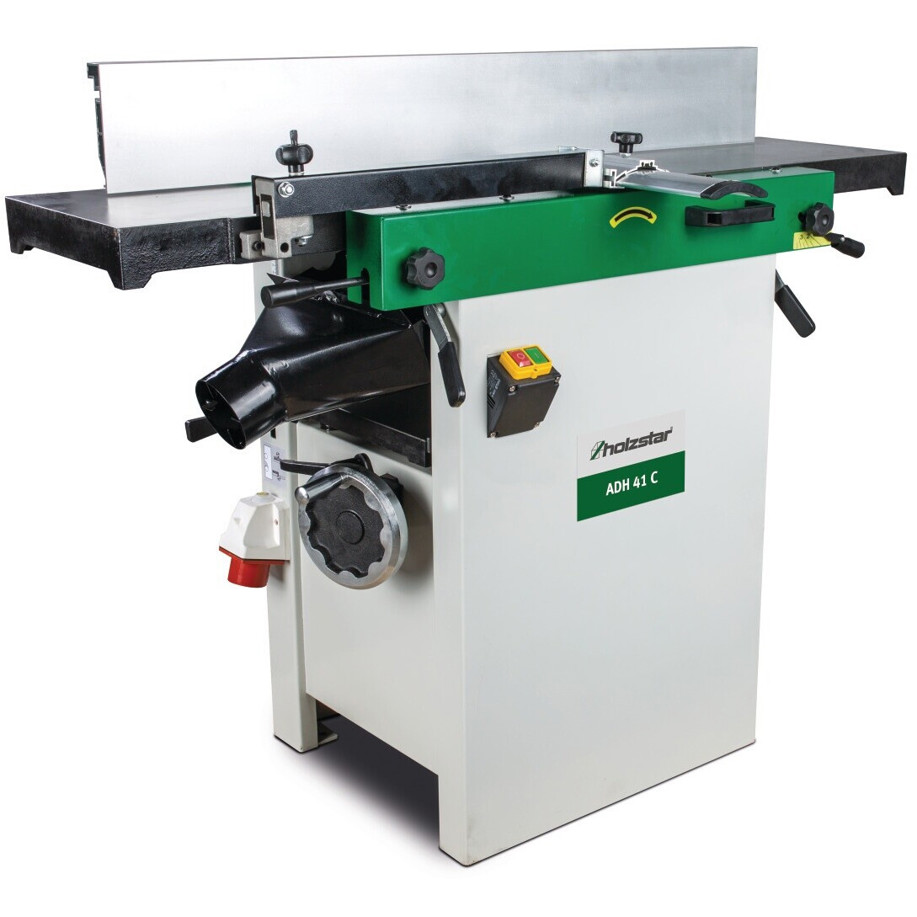
Manual planing machines are tools that permit woodworkers to smooth, flatten, and measurement wood boards and panels through a cutting procedure. Unlike their electric counterparts, manual planers rely on human effort for operation, which often translates into higher control and minimized dependency on power sources. The primary function of these machines is to get rid of percentages of product from the surface area of wood, achieving a wanted density and finish.
Kinds Of Manual Planing Machines
Manual planing machines come in numerous styles, each customized for particular applications. Here’s a take a look at some of the most common types:
| Type | Description | Ideal For |
|---|---|---|
| Hand Planer | A handheld tool with a sharp blade, suitable for small tasks and detail work. | Cut work, forming edges, and minor surface area corrections. |
| Scraper Planer | A plane developed to use scraping instead of slicing, reliable for finishing. | Completing surface areas, getting rid of imperfections, and raveling wood grain. |
| Block Plane | A smaller airplane for easy handling, best for adjusting the edges of small pieces. | Chamfers, adjusting miters, and fitting joints. |
| Jack Plane | A flexible tool utilized for flattening and leveling broader surface areas. | General purpose planing of larger boards. |
| Jointer Plane | Long and flat, mostly utilized for jointing edges of lumber to ensure a straight and flat surface area. | Preparing edges for signing up with two pieces of wood. |
| Router Plane | A kind of plane utilized to flatten the surface of wood while likewise maintaining a constant depth. | Creating recessed areas and cutting joints. |
Common Applications
Manual planing machines are flexible tools employed in different woodworking tasks. Here are some common applications:
- Smoothing Surfaces: One of the primary usages of manual airplanes is to remove roughness from wood surfaces, resulting in a smooth surface.
- Thicknessing Wood: By consistently taking thin shavings off a board, woodworkers can achieve the wanted thickness for a project.
- Correcting the alignment of Edges: Manual aircrafts, specifically jointer aircrafts, are ideal for guaranteeing that the edges of wooden boards are straight and Hobelmaschinen-Onlineshop all set for assembly.
- Developing Chamfers and Bevels: Manual planing machines permit the creation of angled edges, which can boost the aesthetic appeal of furniture and cabinets.
- Wood Joint Preparation: Ensuring that surfaces fit comfortably together requires precision, making manual planing important for joint preparation.
Advantages of Manual Planing Machines
While manual planing machines may seem outdated compared to electric models, they use a number of unique advantages:
| Advantage | Explanation |
|---|---|
| Precision | Manual planing allows for higher control over the cut, resulting in a high degree of accuracy. |
| Ability Development | Dealing with manual tools can enhance a woodworker’s abilities and understanding of products. |
| No Power Required | Suitable for places without electrical energy or for woodworkers choosing a traditional method. |
| Lower Cost | Manual tools normally have a lower in advance expense than electric ones, making them accessible for hobbyists. |
| Quiet Operation | Unlike electric planers, manual machines operate quietly, making them ideal for close-quarter work. |
Upkeep of Manual Planing Machines
To guarantee durability and optimum performance, routine upkeep of manual planing machines is vital. Here are numerous tips for keeping these tools in top shape:
- Blade Maintenance: Regularly hone the blades to keep cutting performance. Use a refining guide for consistency.
- Cleaning up: After each use, tidy any sawdust and resin accumulation to prevent rust and make sure smooth operation.
- Storage: Store the aircrafts in a dry environment to prevent rusting. Use protective covers if offered.
- Look for Damage: Inspect the tool routinely for any signs of damage or wear, especially the blade and lateral adjustment mechanisms.
- Wood Selection: Planing green or damp wood can damage the blades; always select experienced wood for best outcomes.
Regularly Asked Questions (FAQs)
Q1: Can I utilize a manual planer on wood?
A1: Yes, manual planers can be utilized on wood. Nevertheless, it may need more effort compared to softer woods, and you might need to hone the blades more regularly.
Q2: What is the difference in between a hand aircraft and a block airplane?
A2: A hand airplane describes a basic category of manual planers, while a block airplane is a particular type that is smaller sized, has a lower angle of the blade, and is tailored towards end-grain cutting.
Q3: How do I pick the right size of manual airplane for my project?
A3: The size of the manual airplane should match the size of the wood being worked on. For bigger surfaces, a jack plane or jointer plane is chosen, while smaller pieces may only require a block airplane.
Q4: Are manual planers still appropriate in modern woodworking?
A4: Absolutely! Lots of woodworkers appreciate the ability, control, and precision that manual planing offers, making these tools indispensable for high-quality craftsmanship.
Q5: How do I understand when to sharpen my planer blades?
A5: If you discover increased resistance while planing or a tearing of wood fibers instead of a tidy cut, it’s time to sharpen the blades.
Manual planing machines are a vital part of the woodworking trade. Their ability to offer precision, control, and a connection to traditional approaches makes them a crucial tool for both newbie and experienced woodworkers alike. Comprehending their types, advantages, and maintenance requirements enables artisans to harness the complete capacity of these machines in their woodworking pursuits. With skillful usage and appropriate care, manual planing remains relevant in an age dominated by powered tools, commemorating the artistry and workmanship that woodworking embodies.