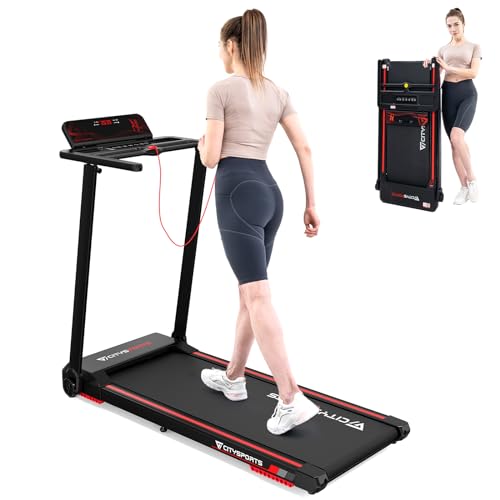
Manual Treadmill Uk
FollowOverview
-
Founded Date August 8, 1945
-
Posted Jobs 0
-
Viewed 4
Company Description
Five Things Everybody Does Wrong In Regards To Non Electric Walking Pad
The Non-Electric Walking Pad: A Step Towards Health and Sustainability
In a world increasingly dominated by electric gizmos, the non-electric walking pad stands apart as a beacon of simpleness and effectiveness. This innovative fitness solution not only gets your body moving however also lines up with environmentally friendly practices. In this post, we will explore what non-electric walking pads are, their benefits over traditional electric Treadmills For Cheap, and how they can seamlessly suit your lifestyle.
Understanding the Non-Electric Walking Pad
A non-electric walking pad is a by hand operated exercise device created for walking or light running. Unlike electric treadmills, these pads rely on the user’s movement to power the machine’s belt. This development provides a distinct method to incorporate cardio exercises into daily regimens without requiring electrical power or complex technology.
Key Features
| Function | Non-Electric Walking Pad | Electric Treadmill |
|---|---|---|
| Power Source | Manual (user-powered) | Electric |
| Space Requirement | Compact and light-weight | Frequently large and heavy |
| Noise Level | Quiet | Can be loud |
| Sustainability | Environmentally friendly | Requires electricity |
| Upkeep | Low maintenance | Greater upkeep cost |
| Expense | Usually less costly | Can be pricey |
Advantages of Non-Electric Walking Pads
As customers end up being more health and ecologically conscious, non-electric walking pads have grown in popularity. Here are some of the key benefits:
-
Sustainability: With no dependence on electricity, non-electric walking pads lower carbon footprints and line up with eco-friendly practices. They interest those wanting to lead a greener way of life.
-
Affordability: Generally, non-electric walking pads are more economical than their electric equivalents. The lack of electronic parts minimizes production costs, making these pads available for a broader audience.
-
Compact Design: Most non-electric walking pads are developed to be lightweight and foldable, making them simple to store when not in use. This is particularly helpful for people residing in small spaces.
-
Peaceful Operation: Since they operate calmly, these pads are an exceptional option for apartments and shared living plans. Users can maintain their workout regimen without disturbing others.
-
Low Maintenance: With less moving parts, non-electric walking pads need less upkeep compared to electric treadmills. Simply keep them clean and keep them in a dry space to extend their life expectancy.
-
Health Benefits: Manual walking pads encourage users to engage actively with their workout. This can lead to improved balance, coordination, and a better connection to body language.
How to Integrate a Non-Electric Walking Pad into Your Routine
Integrating a non-electric walking pad into your daily routine can be basic and gratifying. Here are some tips:
-
Set a Schedule: Designate specific times for walking. Treat it like any other consultation.
-
Create a Designated Space: Find a comfy location in your home where you can utilize the walking pad without interruptions.
-
Integrate with Other Activities: Consider using the walking pad while enjoying television, reading, or listening to podcasts.
-
Start Slow: For beginners, begin with short sessions and slowly increase the strength and duration as you end up being more comfortable.
Often Asked Questions (FAQ)
1. How does a non-electric walking pad work?
Non-electric walking pads deal with a simple mechanism where the user’s motion powers the belt. As you walk, the surface area moves under your feet, enabling a fluid walking experience.
2. Are non-electric walking pads ideal for everybody?
Yes, the majority of non-electric walking pads are designed to accommodate various fitness levels. However, people with mobility concerns should speak with a health care professional before starting any brand-new exercise routine.
3. Do non-electric walking pads have weight limits?
Yes, constantly inspect the manufacturer’s specifications for weight limits. The majority of models can support a large range of users, but it’s important to ensure they can accommodate your weight for security reasons.
4. Can I operate on a non-electric walking pad?
Although mostly developed for walking, some users may discover that they can quickly jog on certain non-electric walking pads. Nevertheless, it’s best to inspect the particular model’s design and weight limit for security.
5. How do I tidy and maintain a non-electric walking pad?
Regularly clean down the surface area to remove dirt and sweat. Shop it in a dry location and avoid exposing it to moisture to avoid rust and wear.
Including a non-electric walking pad into your physical fitness routine can be a simple yet efficient method to remain active while promoting sustainability. With their myriad benefits– price, low upkeep, density, and eco-friendliness– these walking pads are an excellent option to standard electric treadmills. Whether for friendship while viewing your favorite show or as a standalone workout, they provide an uncomplicated way to boost your health.
Now is the time to take that step forward– actually! Explore the lots of options readily available and find the best non-electric walking pad that lines up with your lifestyle and wellness objectives. Remember, every step counts!